Flexible telescopic protective covers: Why have they become the new favorite in industrial protection
Author:ProPureX, Update:2025-08-19 13:13:15
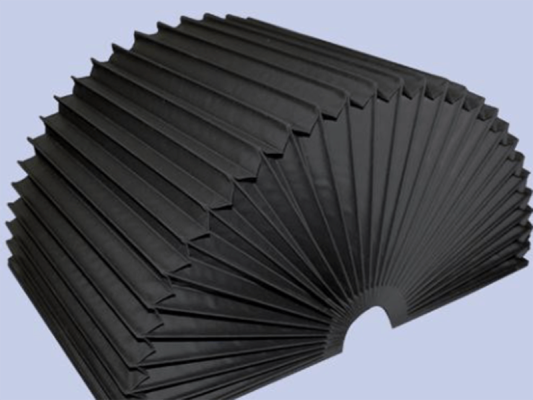
The rise of flexible telescopic covers (FTCs) as a preferred industrial shielding solution stems from four critical advantages:
I. Unmatched Adaptability and Flexibility
- Universal Fit: FTCs conform effortlessly to equipment of varying sizes, shapes, and motion types—linear, arc-based, or multi-axis synchronized.
- Seamless Coverage: Maintains tight alignment with moving parts, eliminating exposure gaps.
- Cost-Efficient Upgrades: Reduces retrofitting expenses during equipment modernization, enabling agile responses to market changes.
.png)
II. Robust Durability and Protective Performance
- Advanced Materials: Flame-retardant, corrosion-resistant polymers (e.g., reinforced PVC, polyurethane) withstand:
- Mechanical Stress: Flying debris, abrasive particles.
- Harsh Environments: Chemical vapors, high-temperature operations (up to 150°C).
- Coolant/Emulsion Resistance: Optional hydrophobic coatings for machining applications.
III. Precision Engineering and Smart Integration
- Optimized Mechanics:
- Internal guiding systems and damping mechanisms ensure smooth, silent telescoping, minimizing wear.
- Transparent inspection windows allow real-time monitoring without disassembly.
- Industry 4.0 Readiness:
- IoT-enabled versions integrate with sensors and PLCs for:
- Real-time condition monitoring (temperature, vibration).
- Predictive maintenance alerts via cloud platforms.
IV. Low Maintenance and High ROI
- Modular Repairs: Individual panel replacement slashes downtime and costs.
- Long-Term Versatility: Reusable across equipment generations, eliminating frequent replacements.
- Energy Savings: Reduces contamination-induced machine failures, cutting maintenance budgets by up to 30%.

.jpg)
.jpg)