
PVC/PU Bellows Cover Welding Machine
Design Principles of Bellows-Type Protective Covers
The design principles of bellows-type protective covers are primarily based on physical isolation, flexible expansion/contraction, and material selection. Below is a detailed explanation:
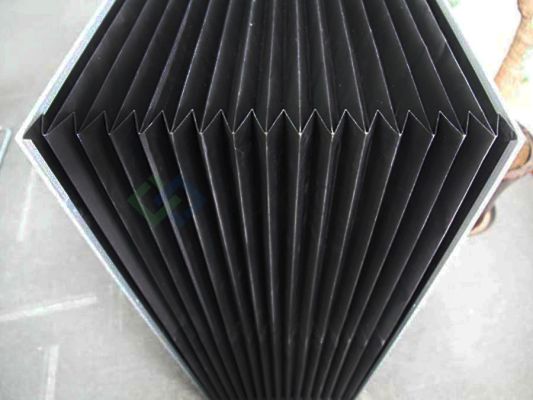
1. Physical Isolation
The bellows-type protective cover creates a physical barrier between the equipment and the external environment through its unique structural design. This effectively blocks contaminants such as dust, cutting fluid, and debris from polluting or damaging the equipment and workspace. The cover is typically constructed from transparent materials (e.g., polycarbonate, glass), allowing operators to clearly monitor equipment operation and workflows while preventing direct contact with hazardous components. This design significantly reduces the risk of accidental injuries.
2. Flexible Expansion and Contraction
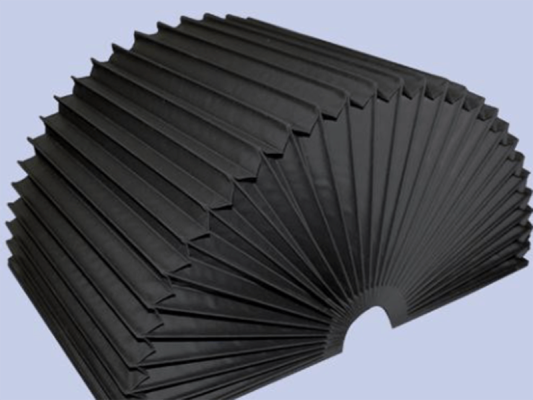
The bellows-style protective cover features a pleated structure akin to the bellows of a pipe organ, enabling free expansion and contraction based on the equipment’s movement trajectory and spatial requirements. This design ensures comprehensive protection without compromising normal equipment operation or maintenance. Each fold incorporates a PVC frame for structural stability, which is securely attached to the outer material via sewing or heat bonding. This combination ensures both rigidity and flexibility, adapting seamlessly to dynamic working conditions.
3. Material Selection
Bellows-type protective covers utilize high-strength, wear-resistant, and corrosion-resistant materials (e.g., polyurethane, PVC, stainless steel) to meet diverse environmental and operational demands. These materials not only prevent the intrusion of external contaminants but also extend the cover’s lifespan and reduce maintenance costs. Safety is prioritized in material choices to ensure operator protection without introducing additional risks.
© 2012‐2022 SHANGHAI PUXIONG, Inc. All rights reserved. ProPureX™
.jpg)
.jpg)